

Who by Fire
Bruce Wagner discusses the 2025 inferno that led to his latest novel, Amputation

In Amputation, Bruce Wagner turns the inferno that consumed vast stretches of Los Angeles in 2025 into both subject and crucible, writing the novel over a matter of months in his own blaze of fury.
In the essay below, Wagner traces how the fire’s physical destruction, political absurdities, and human grotesqueries fueled the book. Yet, the novel that emerged is also a work of striking compassion: Even those who might deserve to stand trial are granted interior lives, and we, as readers, are drawn into their paths toward redemption.
—Arcade Publishing
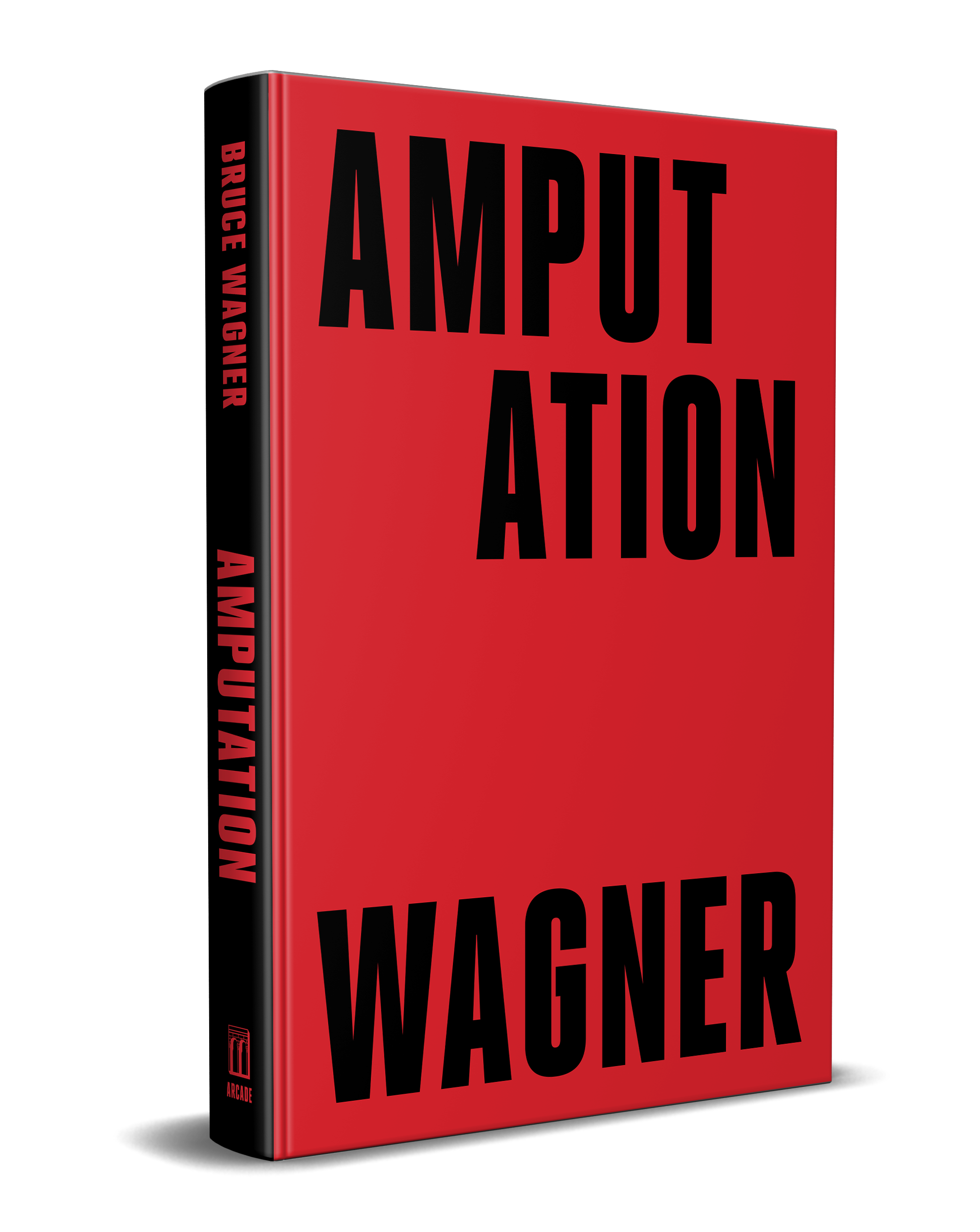
“In Amputation, Wagner proves once more he is one of the great chroniclers of this surreal, demented age. An American master.” —Ross Barkan
“Amputation is furiously elegant but also remarkably compassionate no matter how dark Wagner goes. He is the most fearless major writer that we have.” —Bret Easton Ellis
“Amputation is a novel about the Palisades fires written by the country’s most daring, lethal, inventive satirist. Wagner is so darkly funny it’s beautiful, like watching a mountain lion hunt.” —Walter Kirn
“Astonishing—scorching, ruthless, and finally mournful, Amputation is a supreme achievement.” —Todd Solondz
Fire, I’ll take you to burn
Fire, I’ll take you to learn
Fire, I’ll take you to bed
Fire, I’ll take you, fire
—The Crazy World of Arthur Brown
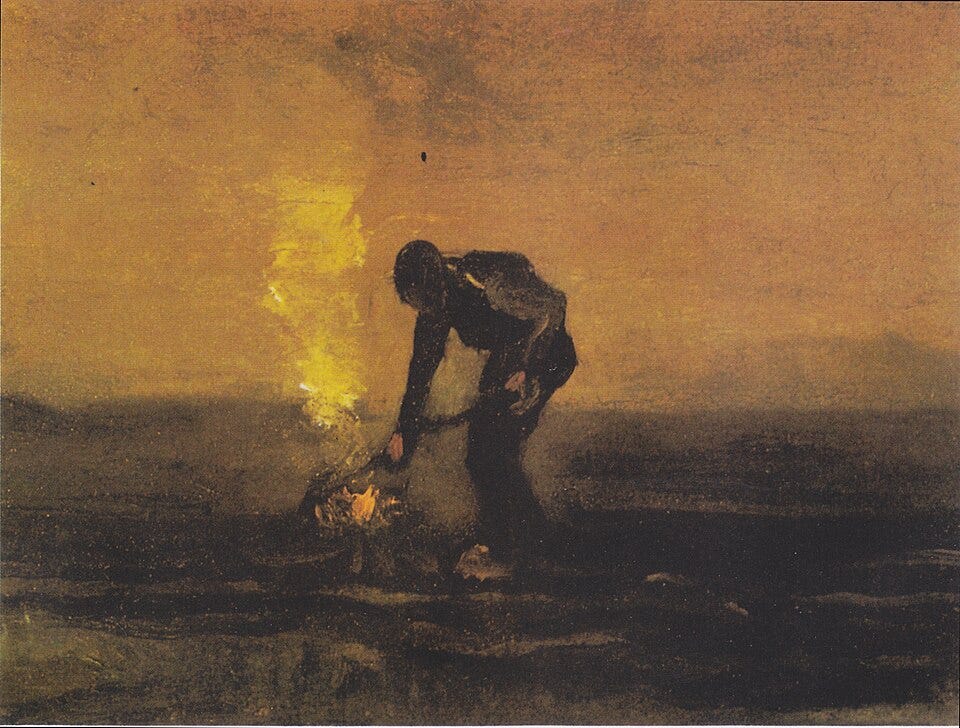
Because I’m a fire sign (Aries), the writing of Amputation—a novel that takes place before, during, and after the fires that decapitated two cities from the sweet-scented, palmy, hydra-headed monster of LA—was a busman’s holiday. (I run hot but try to keep my head.) In the case of those guillotined villages, unlike Hydra, Altadena and the Palisades were unable to spontaneously regenerate, nor ever will. At the gory ring of each cauterized neck, a slow-burn of bureaucratic mitosis is the only thing that blossoms; a legalized remediation of dunces loitering at the jangly, jagged edges of the communities’ stumps like zombies on the perimeter of Erewhon.
The mayoral mantra of “safe!”—“My number one job, period, is to keep Angelenos safe, and that’s what we will do, and that’s what we will do together”—was something I needed to hate-fuck. I would stage a tidy, anarchic opera, a luminous, vomitous orgy, and the only thing needed was a guest list:
Stephen Colbert, laying pinned beneath a tree in the backyard of Maria Shriver’s backyard, hallucinating that he was Frodo from his beloved Lord of the Rings . . .
Karen Bass, a cipher who tries to escape the embarrassment and ensuing firestorm of her absence during the blazes by having herself baptized . . .
Timothée Chalamet’s stunt double, along with his wife and daughter; the wife dies after plunging into the swimming pool of the Tahitian Terrace Mobile Home Park to put out the fire that’s ignited upon her tattooed torso . . .
Esther, a rabid pro-Palestinian activist who throws fundraisers with her celebrity friends (who call themselves Pacific Palestiners) and her estranged father, a Zionist Vegas casino owner/billionaire. (She’s raped by looters before all are murdered by gusts of hell-winds) . . .
Marjorie Rindge, the daughter of May Rindge, the real-life, savagely violent family matriarch who owned the land called Malibu yet died penniless . . .
Disgraced Grey’s Anatomy writer and pathological liar Elisabeth Finch . . . Diane Keaton . . . actor Steve Guttenberg . . . Anora’s Mikey Madison—
—you get the burning, emulsified picture.
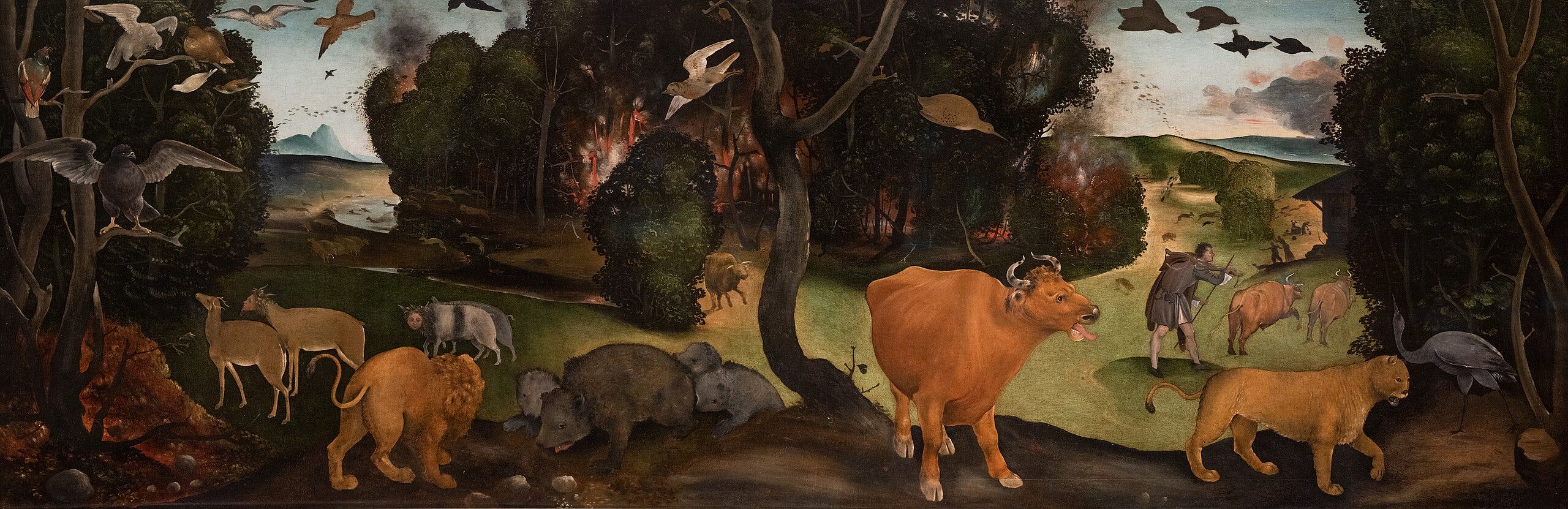
At the inferno’s opportune time, the mayor was MIA, in Ghana, on a jaunt taken contrary to all counsel and against her campaign promise of never traveling internationally were she to be elected. She flew back, grimly refusing to answer questions as she debarked, looking like a felon in a perp walk. (Diehard supporters defended Bass by saying, “The journalists were so rude! She’d just been on a very long flight!”) Stunned Angelenos at first embraced the pseudo-common sense that the force of the winds made the devastation unfightable and inevitable. The winds became first responders and were blamed for everything. Arson stood in as the second magic bullet nostrum.
There will always be roaring shit-fires in LA, but everyone I know who lived in the Palisades (some for decades) knew from Day One what the details of a comprehensive study by even the timid Los Angeles Times concluded at last: things would have had a different outcome if the arsoned patch of the Highlands had been closely watched by the ladderpeople who initially put it out—it’s well-known such fledgling conflagrations smolder underground before erupting—just as they had done in the past, i.e., by the book. Instead of the prescribed three-to-five-day vigil, they decamped on order after just twenty-four hours. (The state hadn’t trimmed the chaparral next to the point of origin—it’s not their policy, because of “ecological” concerns—a job that residents were forced to do, as long as they applied for the proper permits.) Meanwhile, the fire brigades were at a thirty-year low in staffing; a third of the trucks were warehoused or being repaired in anticipation of the burning season that was already here; the Santa Ynez reservoir, a mile from the ignition, had been empty for months, a scenario which shat on the face of official policy. Local firefighters were on the beach having breakfast and weren’t answering their phones. They’d been told to “stand down.” Three water tanks quickly went dry as residents snuck back to witness their abandoned town in flames, and zero firefighters present; they saved a few houses by putting out bush and fence fires with pool-filled water buckets. On Day Two, the mayor and governor did a Hunger Games-style TV press conference in the town center while a Chase bank and the Methodist church burned in the background. The new mantra became “This is the fastest recovery in the history of major fires!” Orwell winked from his grave.
All of the above was studiously double-down debunked by the Machine. In these times, it is no longer a given that night debunks day. No: Night itself is debunked. When darkness falls after dusk, we dare call it “night.” The abstruse concepts of night and day now belong to varied cultists. Both categorizations have been banned, neutered, or denied; at the very least, they should be lawfully unnamed. This short essay is a flip screed—but Amputation is not.
The political aspects of my book are inconsequential. Amputation is an elegy on human behavior—sacred, unconsciously malicious, comic, compassionate, palliative, heroic and monstrous, sentimental, nostalgic, heartrending, mutilated, and behavior that is defiantly, achingly gorgeous—but more so, it is about the denial of impermanence. Puppet masters and marionettes remain timeless but change faces, their bodies made of wood, aluminum, or generated by AI. Human actions and emotions are redundant through the centuries; artists who possess the ambition of teaching or changing the great river flow of human misery and its grandiose attachment to social constructs (like da Vinci’s perfect plan to alter the course of the Arno) are doomed not only to fail but to drown, along with governors, kings, and the unhoused.
Our fate is to drown but let it be in the pure, still waters of awareness and love.
The human comedy is an epic poem, but its rhythms, not its rhymes, are worthy of our scrutiny. The reverend—river’s end—rhythm of its currents are in fact celestial. In the study of their incantatory movements comes liberation. (Such is not the only exit blueprint but to each their own.) The mysticism and indifferent nobility of those waters, its trickles, stillness, and torrents, are, to me, the alchemical stuff of mystery and miracles.
Of Infinity.
How many will pass away and how many will be created, who will live and who will die; who will come to his timely end, and who to an untimely end; who will perish by fire and who by water; who by the sword and who by beast; who by hunger and who by thirst; who by earthquake and who by the plague; who by strangling and who by stoning; who will be at rest and who will wander about; who will have serenity and who will be confused; who will be tranquil and who will be tormented; who will become poor and who will become wealthy; who will be brought to a low state and who will be uplifted.
—Unetenah Tokef
Bruce Wagner has written fourteen novels, including the famous “Cellphone Trilogy,”—I’m Losing You (PEN USA finalist), I’ll Let You Go, and Still Holding—and the PEN/Faulkner-finalist Chrysanthemum Palace. His more recent titles include ROAR: American Master and The Met Gala & Tales of Saints and Seekers. He wrote the screenplay for David Cronenberg’s Maps to the Stars, for which Julianne Moore won Best Actress at the Cannes Film Festival in 2014. He lives in Los Angeles.